What This Means For You
Alaska’s energy future directly affects every household across the state. From keeping homes warm in harsh winters to powering daily life, reliable and affordable energy is essential for families, schools and communities. The era of low-cost natural gas from Cook Inlet has ended and supplies are declining faster than new sources can fully replace them. Without proactive planning, Alaskans face rising utility bills and potential risks to energy reliability in the coming years.
For households in the Railbelt region (including Anchorage, the Kenai Peninsula, Mat-Su and Fairbanks), delaying critical infrastructure decisions only heightens these costs and the chance of supply interruptions, impacting family budgets and economic stability.
A Statewide Issue
Community Effects Of Higher Gas Prices
Housing
Impact:
Schools
Impact:
Businesses
Impact:
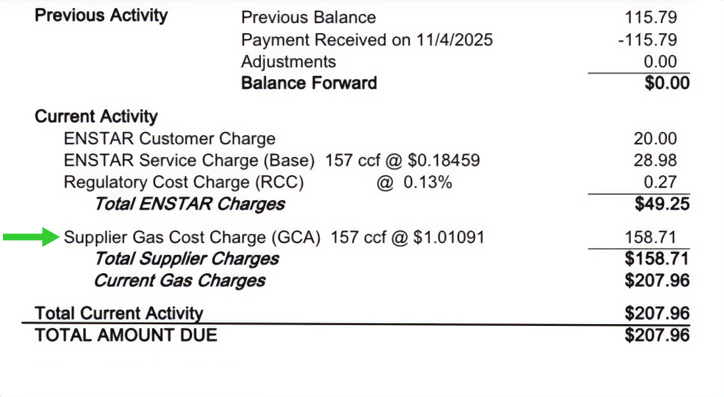
Home Energy Bills
The projected cost of natural gas refers to the cost of natural gas not currently under a contract between producers and suppliers. It is anticipated that future costs may be higher than current contract prices. As contracts expire, the projected cost of natural gas will have a greater impact on the Supplier Gas Charge that you see on your monthly utility bill. Alaska energy providers are working on ways to deliver affordable energy.
See How Gas Prices Could Affect You
Adjust the projected natural gas price to see the effect on a typical home utility bill. This is an estimate for modeling purposes only. Your actual bill may differ.
How Rising Energy Costs Impact Rural Alaska
In Rural Alaska, where communities often depend on diesel for power, electricity rates can be three to five times higher than in urban areas. The Power Cost Equalization (PCE) program helps bridge this gap by subsidizing rural electric bills based on costs in select Railbelt communities. When Railbelt energy prices increase, the difference narrows, reducing PCE subsidies and raising effective costs for rural residents.
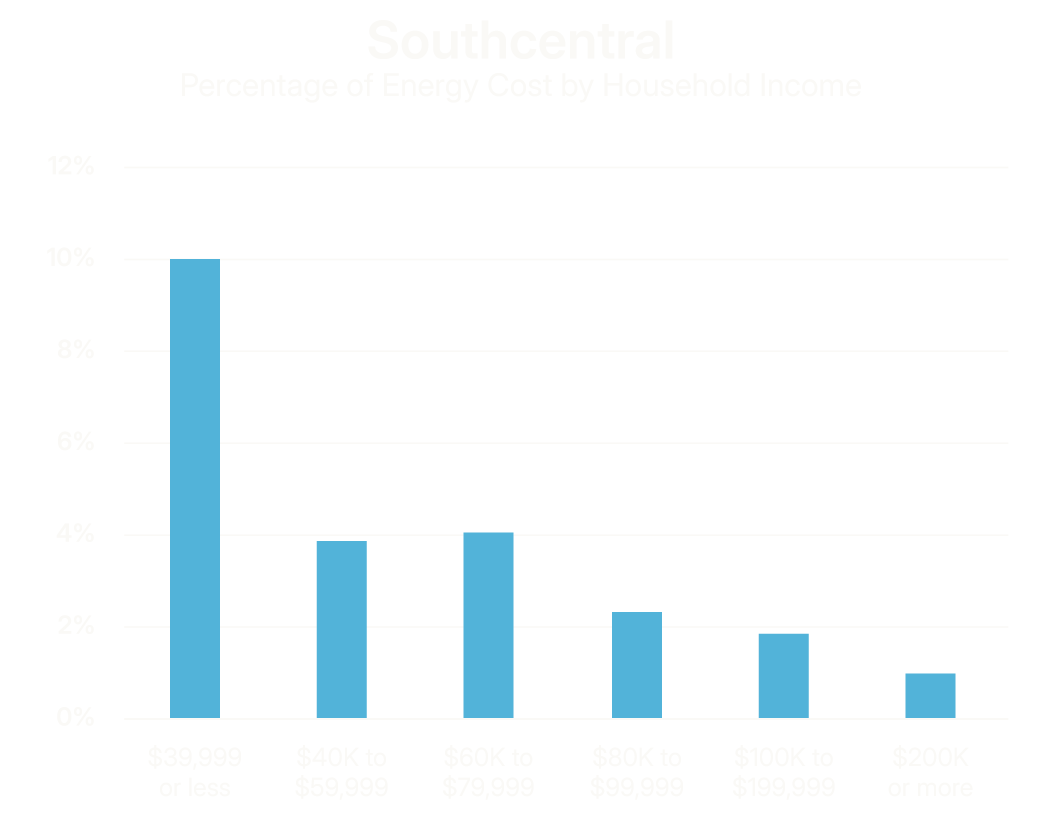
Energy Burden By
Household Income
High utility bills have a disproportionate effect on lower-income households. Placing an extra burden on these families forces tough choices between heating, food and other essentials.
Improving Alaska’s Energy Future
Acting now through strategic investments can secure a brighter outcome. Preparing for short-term natural gas imports ensures reliability while building toward long-term solutions. The Alaska LNG Project offers the potential for abundant North Slope gas to reach Alaskans. This could create economies of scale, drive economic growth through jobs and development and ultimately lower energy prices for generations.
By understanding these challenges and supporting collaborative efforts among utilities, businesses and policymakers, Alaskans can work together for energy security. Affordable, diversified sources will keep homes warm, lights on and opportunities open for all households, from urban centers to remote villages. Your energy future starts with informed choices today.